
-
Products
-
Solutions
-
Company
-
News
-
Contact
-
Language
Home- Solutions
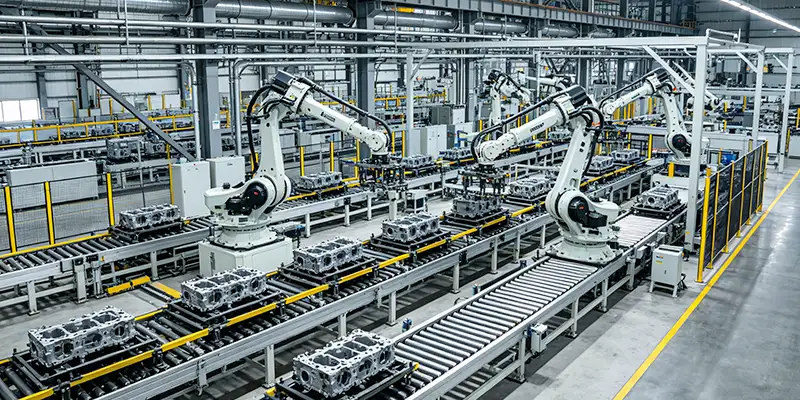
RFID has evolved from an option to a necessity in industry. For both new factory construction and old production line upgrading, it serves as a key enabler of data-driven manufacturing, greatly boosting production transparency and operational efficiency.
View Details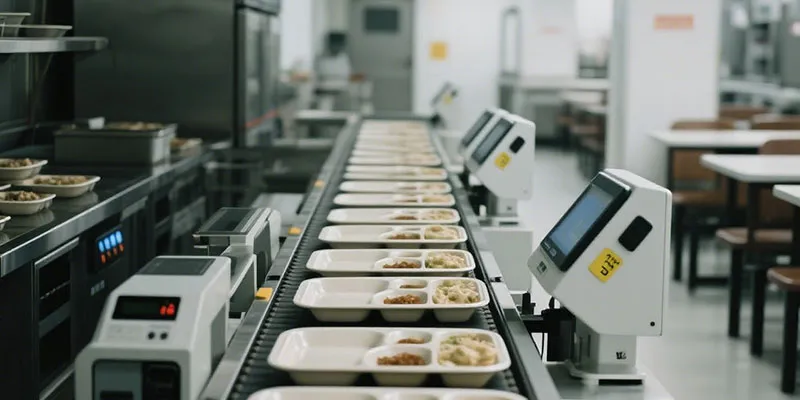
RFID technology provides comprehensive support across the supply chain for the food industry. In smart dining, it enables efficient and accurate group meal settlement through "electronic IDs"; in low-temperature cold chains, it solves three major challenges—harsh environments, high-frequency operations, and real-time monitoring—to ensure food safety.
View Details
Traditional farming faces challenges in individual identification, slow data recording, and low management efficiency. RFID's traceability system enables end-to-end supervision from farm to table, ensuring food safety. RFID animal ear tags are a key driver of smart livestock farming—solving management issues while opening new paths for agricultural finance innovation.
View Details
Traditional asset management is inefficient, hard to trace, and inconsistent. RFID assigns a unique electronic ID to each asset, enabling long-range, batch, and non-line-of-sight automation across the entire lifecycle—boosting efficiency, cutting costs, and preventing loss to build an intelligent system.
View Details
Leveraging contactless, batch-reading capabilities, RFID significantly improves baggage tracking, safety equipment management, and catering logistics. It boosts sorting efficiency, inventory accuracy, and catering logistics, while enabling data-driven, automated operations that reduce costs and enhance service quality.
View Details
From manufacturing to the customer, RFID technology records data throughout the entire process, making the journey of each piece of jewelry transparent and traceable. It improves operational efficiency, protects brand value, and ensures product security, supporting the smart transformation of jewelry businesses.
View Details
RFID creates an end-to-end digital solution for healthcare, giving equipment, drugs, supplies, and staff a unique digital identity for full traceability from production to clinical use. It boosts efficiency, ensures patient safety, and meets regulatory requirements, driving healthcare toward intelligent management.
View Details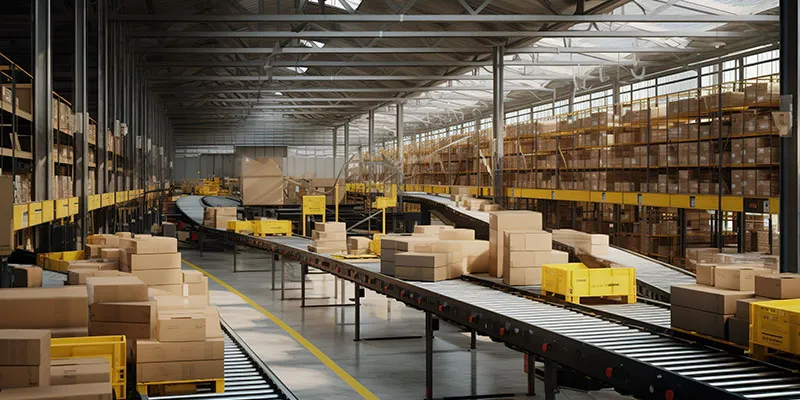
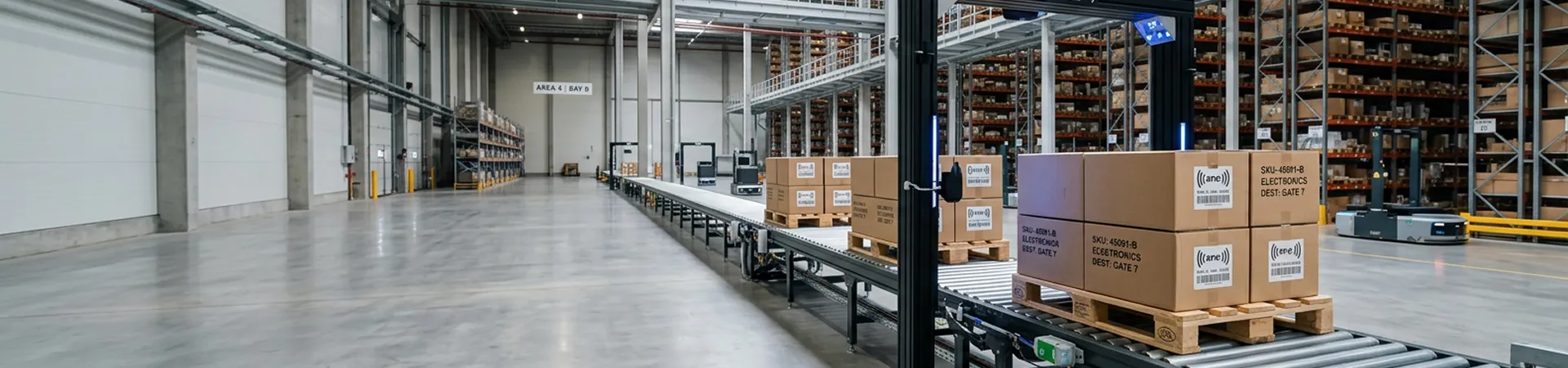
The digitalizing logistics industry demands real-time tracking and automatic identification of goods from warehouse to transportation. RFID enables full-process data collection for real-time visibility, boosting efficiency and cutting costs.
View Details
RFID is widely used in libraries and archives. Over 90% of libraries globally use it (85% of US public libraries, 65% of US academic libraries). Major Chinese public and university libraries have adopted it, and many schools are upgrading. In archives, RFID is used in government, banking, power sectors. It enables self-checkout, rapid inventory, precise tracking – boosting efficiency and accuracy while cutting labor costs.
View Details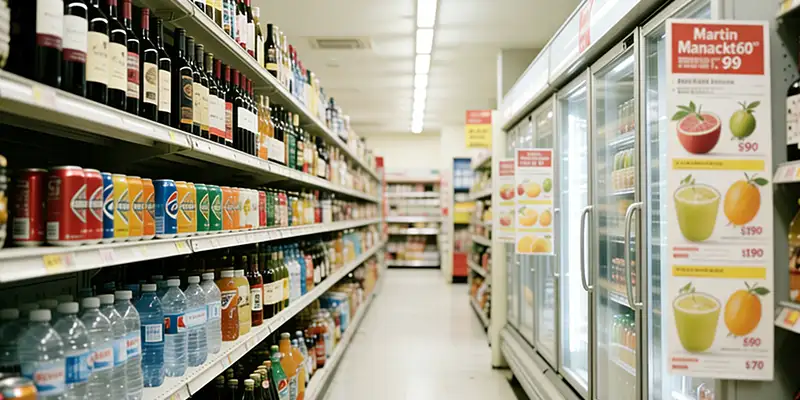
Currently, the market demand for RFID technology in the retail sector is rapidly growing, with its application share increasing significantly. It is most widely adopted in categories such as supermarkets, personal care products, household products, footwear and apparel, and jewelry. Leveraging its ability to accurately track products throughout the entire process—from production to sale—RFID is effectively supporting the digital transformation of the retail industry.
View Details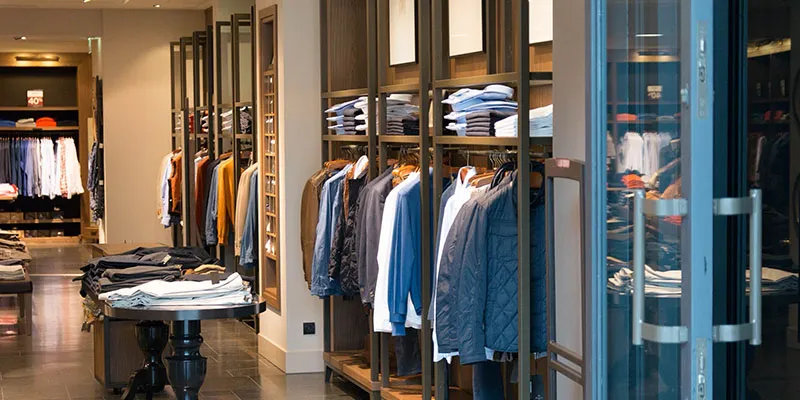
Inventory inaccuracies, inefficient stocktaking, and slow supply chain responses—longstanding pain points in the apparel industry—are being transformed by RFID. By giving each garment a unique digital identity and connecting data from factory to store, RFID now achieves over 99% read accuracy, enabling precise inventory, efficient operations, and smart decision-making.
View Details
RFID technology enables instant and contactless vehicle identification, supporting intelligent tolling, automated access control, smart parking, and connected mobility solutions.
View Details